What I Don’t Know
Interview with Adya Nevatia
Between what’s expressed through language and what’s felt through instinct lies the ambiguous— inside what is not yet known. Return to Adya Nevatia’s studio - where memory argues with the present, touching on the erstwhile indicating change – and where shelter negotiates exposure, concealing the artist, working with constraint. Paper skirt, camo leggings: residue of the past, pointing forward.
Graduating from Central Saint Martins is often described as an arrival. Does it feel like one to you?
It feels more like taking off than landing.
You named the collection What I Don’t Know. What does not knowing offer that certainty cannot?
Curiosity.
Before we talk about clothes, where did it begin: in an image, a feeling, or a doubt? All the above…
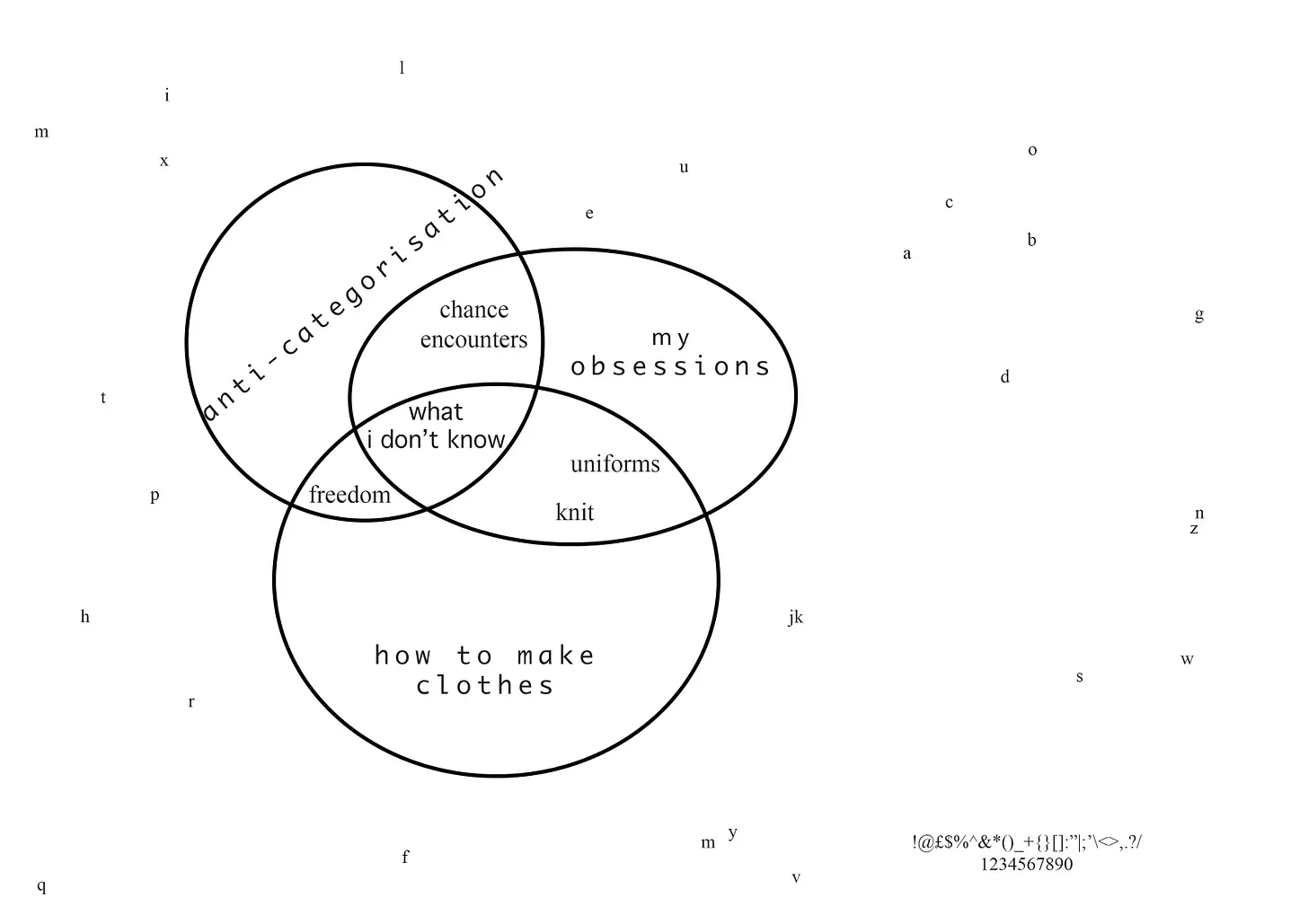
Credit: Adya Nevatia
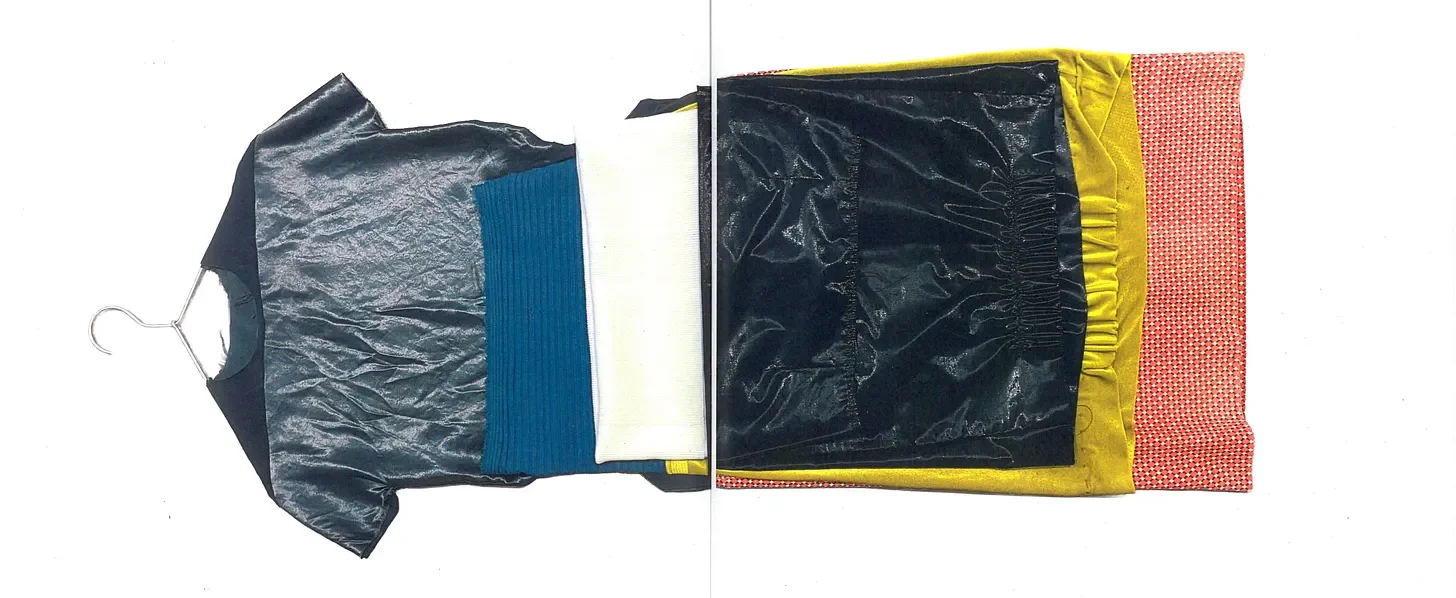
Credit: Adya Nevatia
In solitary hours, between knowing and becoming, intuition outweighs logic. The Walking Document (@walkingdocument) records what is logged and what gets missed. No clean distinction: stairs, pavements, interruptions, signal noise. Nothing planned. Is the collection documentation—or a kind of transformation?
I was taking photos of the floor. It was unconscious and random, a small act of repetition. The @walkingdocument was an attempt to help me organise a certain set of photos from the rest of my camera roll which has 174,912 items as of right now… The collection was similar; it was an organisation and realisation of my obsessions and a trial to express this with whatever knowledge and skill I had. I don’t know why I was taking photos of the floor, but I do know why I made the clothes that I made.
Your work feels deliberate—almost restrained. Do you see restraint as limitation or discernment?
“Restraint” is an interesting word in a moment defined by excess.
Is something primitive restrained or free?
It is about freedom and honesty.
In a culture that rewards spectacle, what does precision offer instead?
I want the clothes to speak for themselves without forcing them to be spectacular.
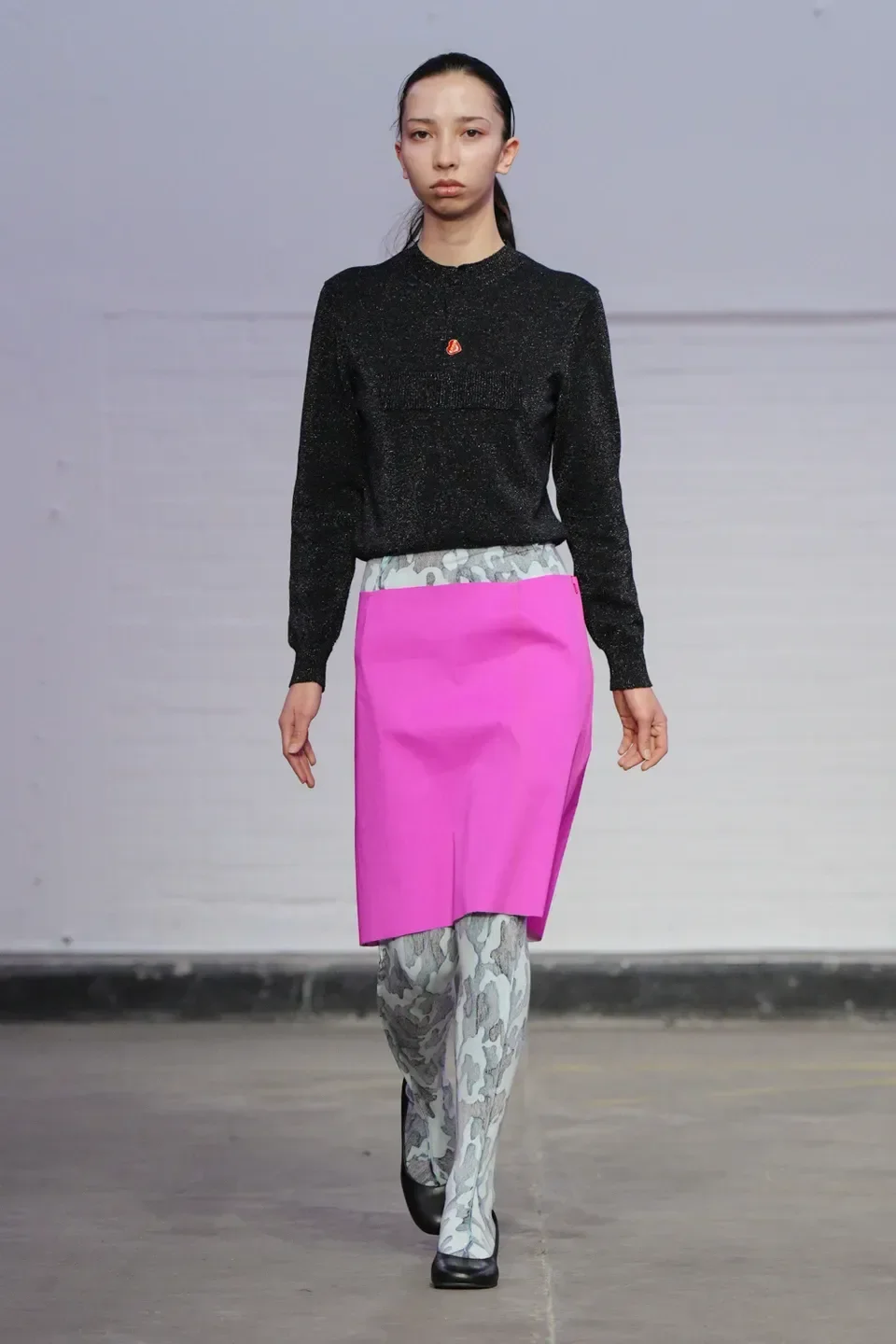
Credit: Adya Nevatia
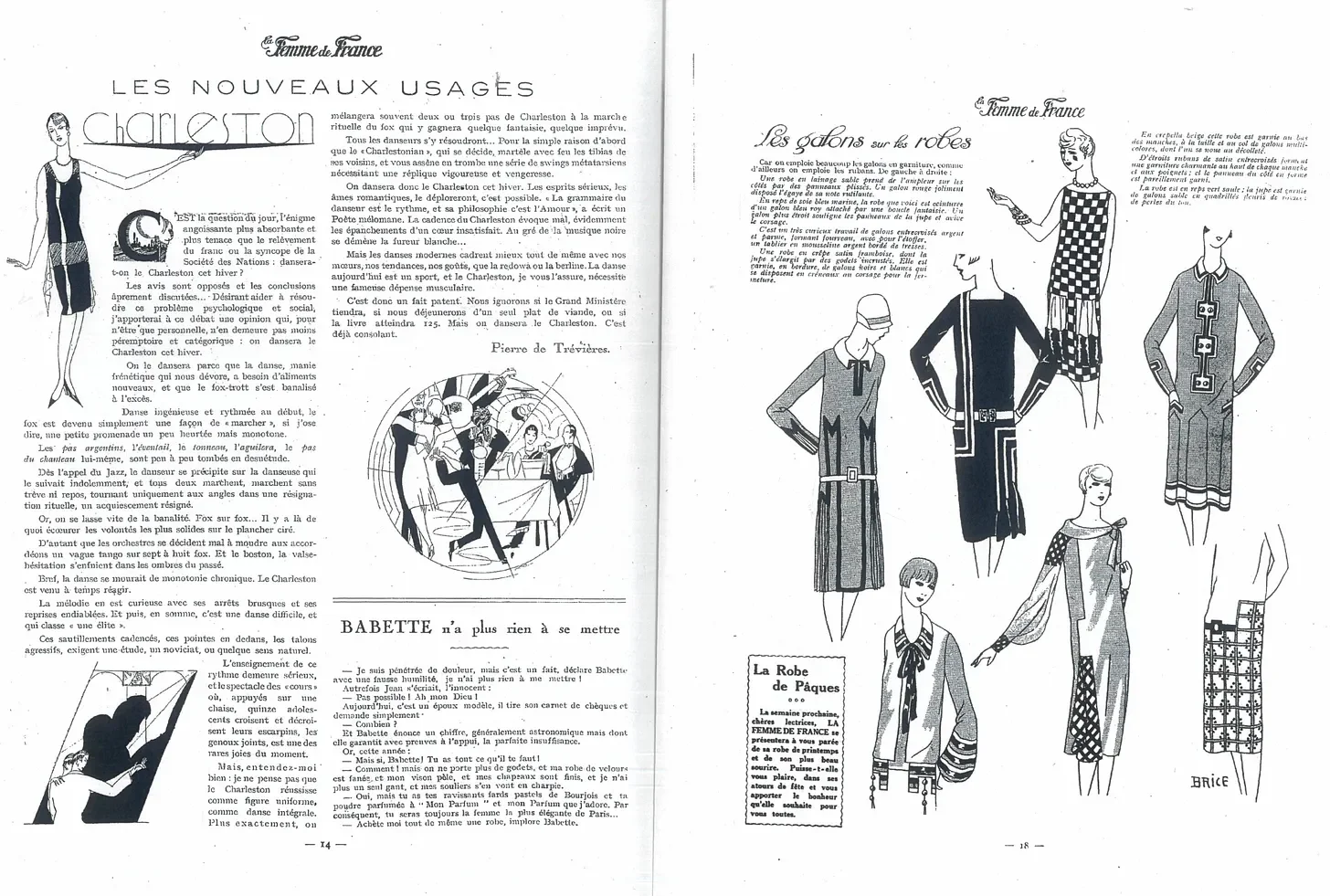
Credit: Adya Nevatia
Fashion sits between mythology and industry, negotiating between meaning and production. Where do you locate yourself between those forces?
Bill Traylor never called himself an artist—he was a carpenter who drew freely. People named it later. I am a fashion designer; it is my profession. But maybe something else too that I don’t know yet.
Is the system something you resist or study?
I’m curious about it. It is mysterious, and nonsensical.
The show is a strange threshold: months of private work becoming public. How did it feel seeing the collection outside of you?
It didn’t feel extreme. I thought it would. Instead, it made sense to share it.
In that moment, did the work belong to you?
It belonged to my models, and everyone watching it.
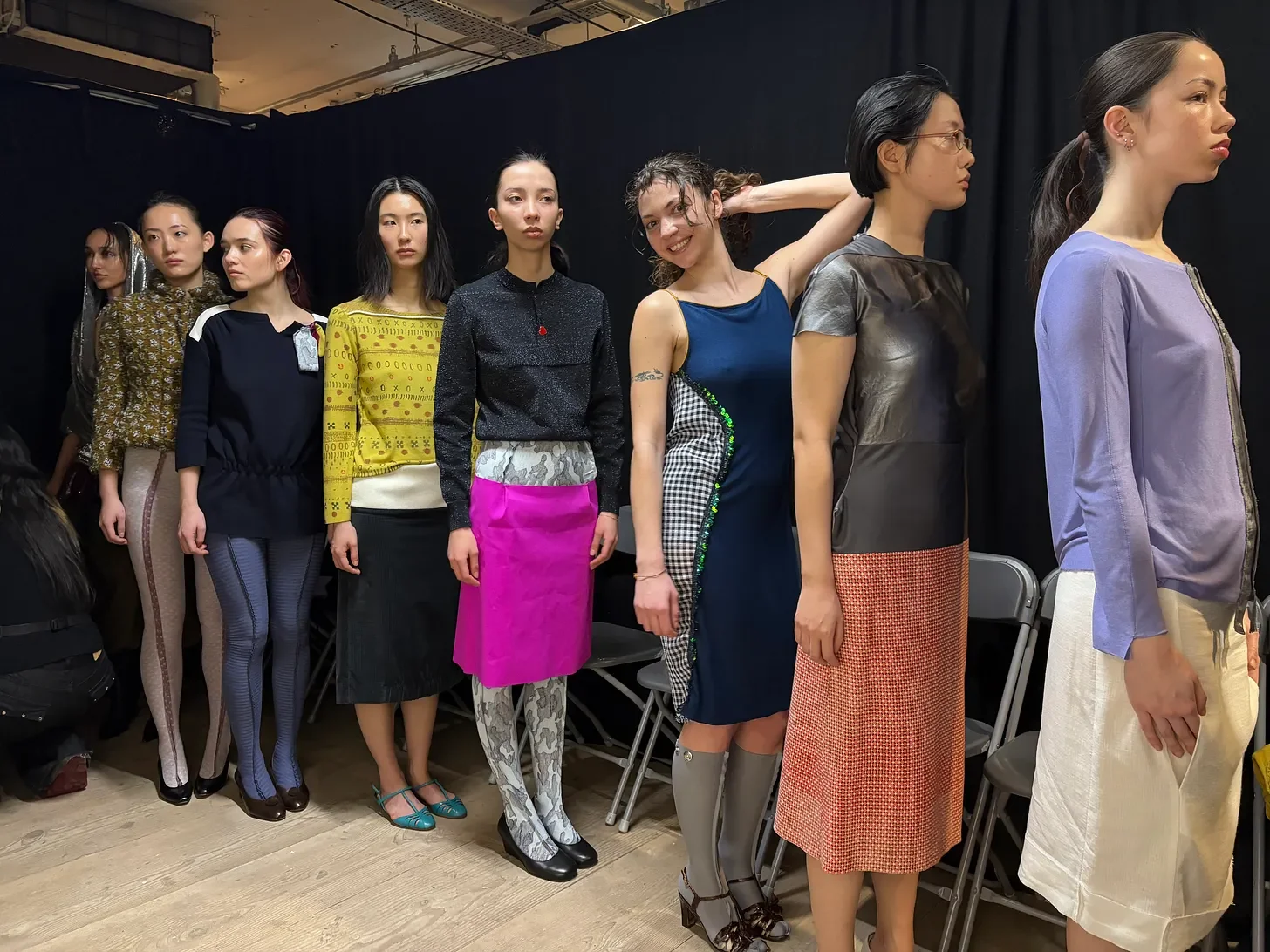
Credit: Adya Nevatia
Who are you when no one is watching? And how does that shift when everyone is?
I’m not telling.
When you were making the collection—late at night, alone in your studio—who were you in those moments?
I was just myself. Sometimes thoughtless, sometimes overthinking.
The morning after the show—what was the first feeling?
I can’t remember.
Now that the work exists in the world, what do you still not know?
I am still learning what I don’t know, one thing at a time. During this collection I learned a new word—epaulette—I knew the shape but not the name. Recently I learned what a union suit is, and I am still wondering if it was called that because it unifies the top and bottom of undergarments.
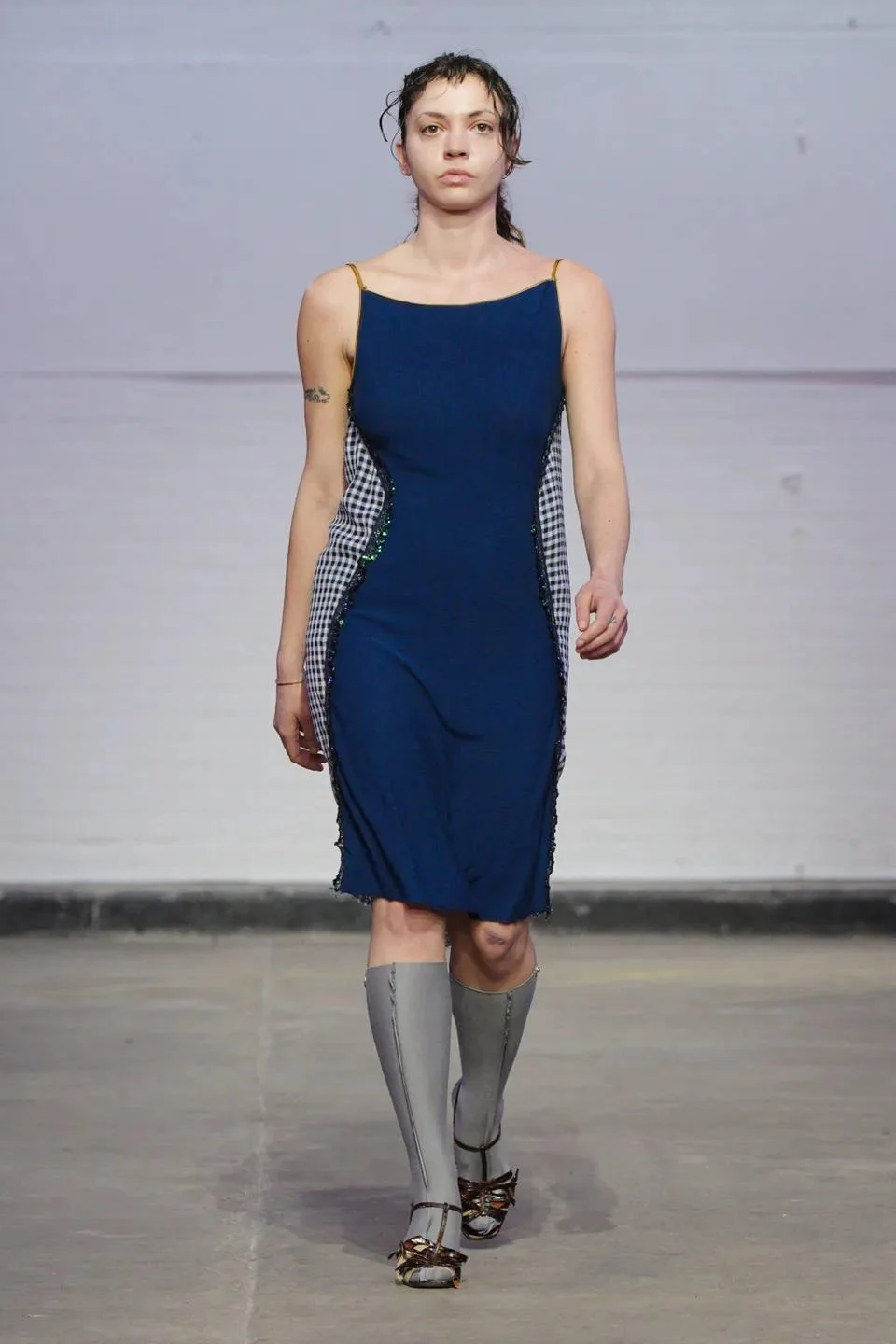
Credit: Adya Nevatia
Did the collection feel complete, or did it open new questions?
It felt right. I always have questions—that is how everything begins.